© ITALIAN INTERIORS 2025 All Rights Reserved. P.IVA 02588380135

Styles
Below is a table summarizing various interior design styles, where you can find just a representative images for each style. Feel free to explore these resources for visual inspiration and to better understand each style, whether different or aligned with our own or your own design. Our team is here to help you achieve your dream interior, tailored to your specific preferences and needs.
Contemporary Style
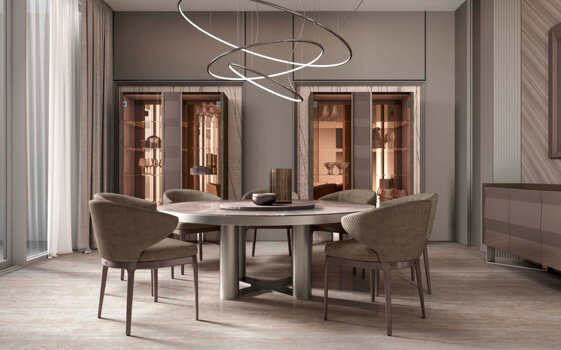
Contemporary interior design is characterized by sleek lines, modern materials, and cutting-edge technologies. This style embraces a blend of comfort and sophistication, with an emphasis on open spaces and functional aesthetics. Unlike minimalism, contemporary design incorporates bold contrasts, diverse textures, and dynamic shapes, creating a look that is both polished and inviting. The use of innovative lighting, state-of-the-art appliances, and smart home integration further defines the contemporary approach, making it ideal for those who appreciate a stylish yet practical living environment.
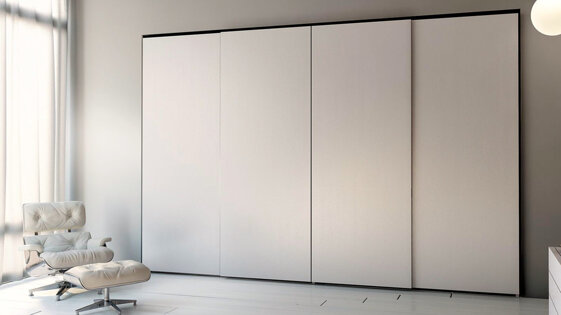
Minimalism
Minimalist interior design is characterized by its simplicity, clean lines, and a monochromatic palette, which often combines different textures to add depth and interest. This style focuses on functionality and emphasizes the idea that less is more, creating spaces that are uncluttered and serene. Minimalist interiors use open floor plans and ample natural light to highlight the beauty of each element, from furniture to decor, ensuring that every piece serves a purpose while enhancing the overall aesthetic.
Industrial Style
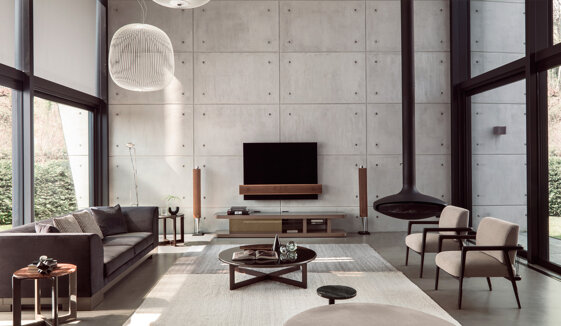
The industrial style draws inspiration from old factories and industrial spaces, blending raw and rugged materials like exposed brick, concrete, metal, and wood to create a distinctive, unpolished yet cohesive look. This design aesthetic celebrates the beauty of imperfection and the charm of utilitarian structures, often featuring elements like visible ductwork, weathered wood, and steel beams. In an industrial space, open floor plans are common, reflecting the expansive layouts of warehouses and factories. Furniture is typically robust and functional, with an emphasis on durability.
Mid Century Modern Style
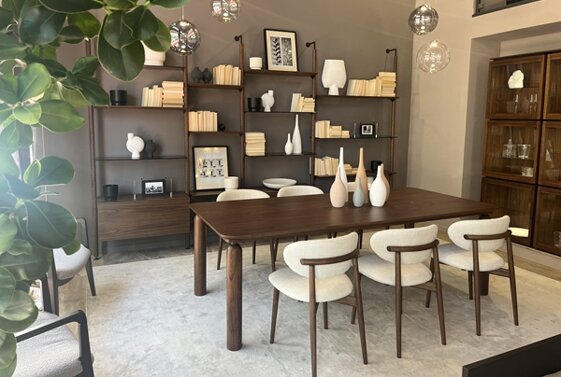
Mid-Century Modern style is renowned for its clean lines, organic shapes, and a strong emphasis on functionality, seamlessly blending form and purpose. This design movement, which gained prominence from the mid-20th century, employs a mix of traditional and non-traditional materials, creating a look that is both timeless and innovative. Key characteristics of Mid-Century Modern design include sleek, simple lines and a minimalist approach that avoids unnecessary ornamentation. Furniture pieces often feature tapered legs, smooth surfaces, and geometric forms, emphasizing an uncluttered aesthetic. The use of organic shapes, inspired by nature, adds warmth and a human touch to the otherwise streamlined designs.
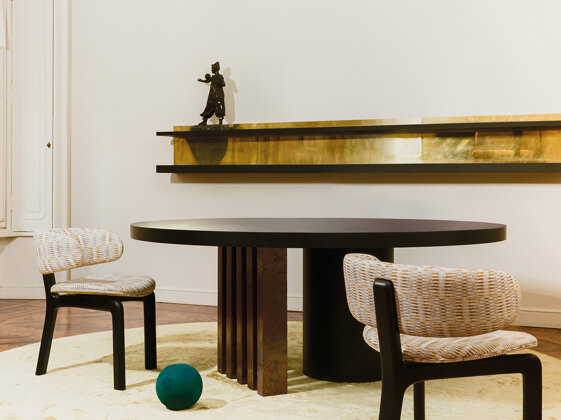
Scandinavian Style
Scandinavian style is celebrated for its simplicity, minimalism, and functionality, reflecting the principles of hygge, a Danish concept centered around comfort and coziness. This design approach emphasizes clean lines, uncluttered spaces, and a serene atmosphere. Natural materials such as wood, wool, and leather are commonly used, bringing warmth and a touch of nature indoors. Neutral color palettes dominate, with whites, grays, and soft pastels creating a light and airy feel. Scandinavian interiors often incorporate elements of nature, such as plants and natural light, enhancing the connection to the outdoors.
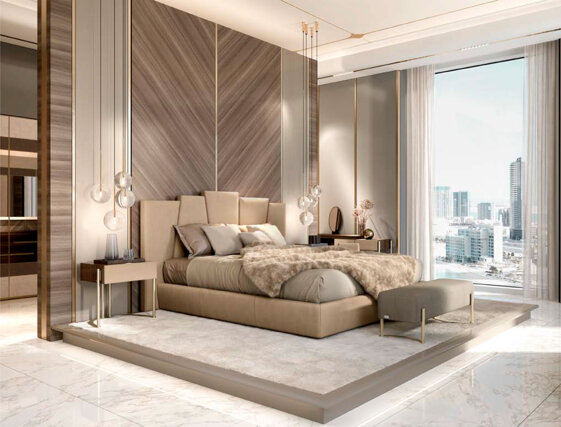
Bohemian Style
Bohemian style, or Boho, is an eclectic and vibrant design approach characterized by a mix of colors, patterns, and textures. It celebrates individuality and creativity, often featuring a curated collection of vintage items, artisanal crafts, and global influences. This style creates a cozy and artistic vibe, with an emphasis on personal expression and comfort. Rich, warm colors such as deep reds, oranges, and purples are commonly used, often contrasted with earthy tones and natural materials like wood, rattan, and woven fabrics.
Classical Style
The Classical Style is a celebration of elegance, symmetry, and timeless beauty, rooted in the principles of ancient Greek and Roman architecture and design. This style emphasizes rich details, fine finishes, and a sense of grandeur, creating an atmosphere of sophistication and refinement. The use of symmetrical layouts and proportionate elements creates a pleasing and orderly aesthetic. Decorative moldings, ornate carvings, and intricate plasterwork are hallmarks of this style. These details are often inspired by classical motifs such as acanthus leaves, fluted columns, and Greek key patterns. High-quality materials like marble, mahogany, and gilt accents are commonly used, adding a sense of opulence and durability. Upholstery is often crafted from rich fabrics such as silk, velvet, and brocade. The color scheme is usually rich and sophisticated, with a preference for deep, muted tones such as burgundy, navy, and forest green, complemented by warm neutrals and gold accents. Classical style often features grand architectural details like coffered ceilings, columns, pilasters, and arched doorways, which contribute to the overall sense of grandeur.
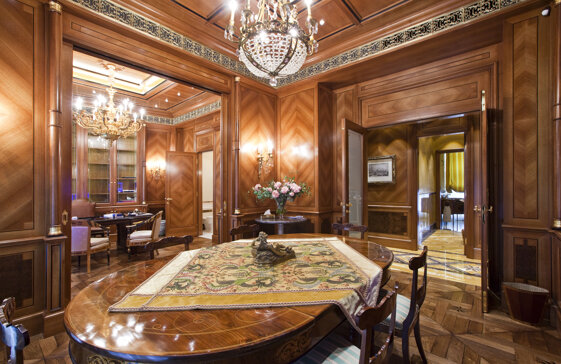
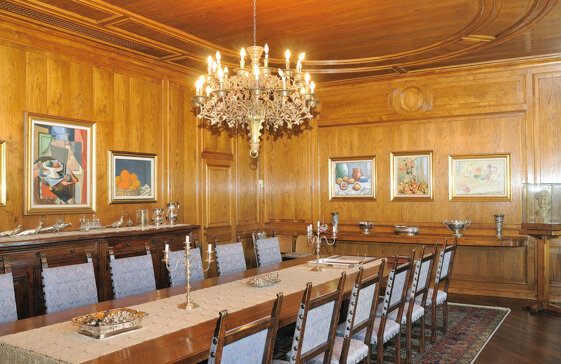
Rustic Style
Rustic design embraces the beauty of nature by incorporating natural materials like wood, stone, and metal, creating a warm and cozy environment that feels both inviting and timeless. This style often features handmade items, such as artisanal furniture and decor, which add a personal and unique touch to each space. The use of reclaimed and distressed materials is common, bringing a sense of history and character to the design.
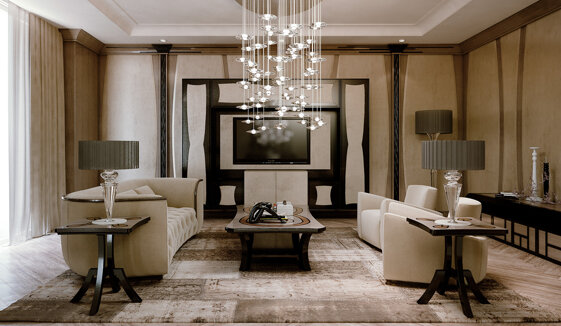
Art Decò Style
Art Decò style is a captivating blend of luxury and modernity, characterized by bold geometric patterns, lavish materials, and a striking use of color and form. This design idiom, which emerged in the early 20th century, often incorporates rich materials such as lacquer, exotic woods, and inlaid metals, creating a sophisticated yet dynamic aesthetic. The use of mirrors, glass, and polished surfaces adds a sense of opulence and glamour, making Art Deco an enduring symbol of elegance and innovation in interior design.
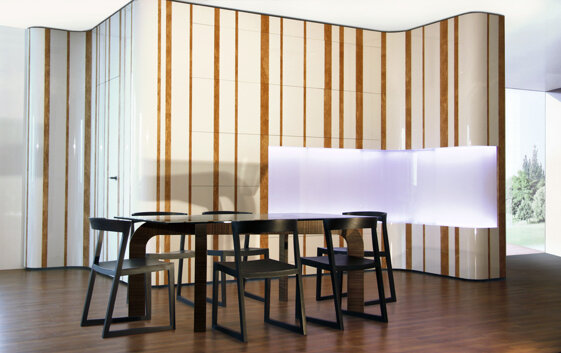
Transitional Style
Transitional style is a sophisticated blend of traditional and contemporary elements, aiming to create a balanced and harmonious look. It combines the best of both worlds, merging the timeless elegance of traditional design with the clean lines and understated aesthetic of contemporary decor. This results in spaces that feel fresh yet classic. Neutral color palettes dominate transitional interiors, with shades of beige, gray, and taupe providing a versatile backdrop.
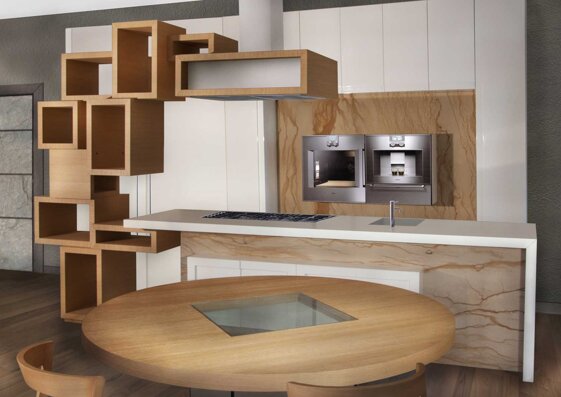
Others
Follow your soul, your mind, your life experiences, and your present mood to create a home interior that fully expresses and personalizes your unique vision
© ITALIAN INTERIORS 2025